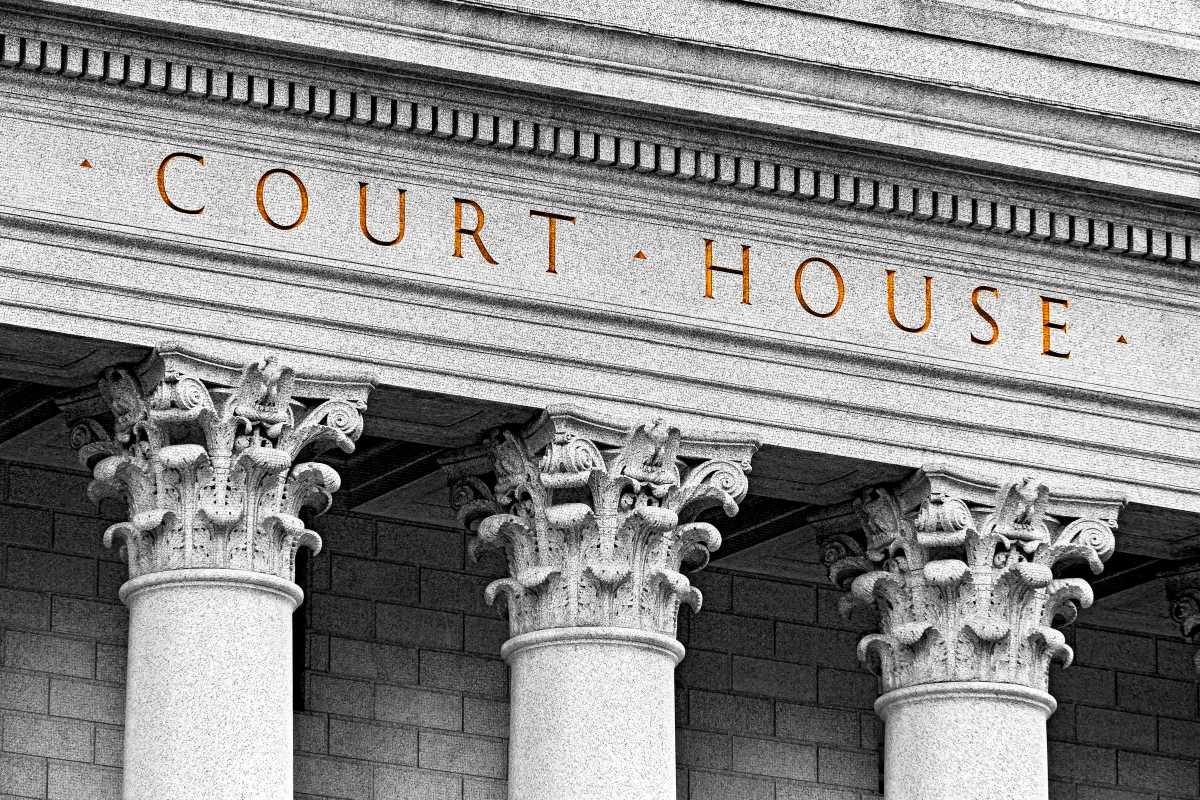
When we picture a jury, we often imagine twelve serious individuals listening intently to evidence, weighing facts logically, and arriving at a decision based purely on reason. The legal system is built on this ideal of an impartial jury. But jurors are human, and humans come with baggage. This baggage includes a collection of mental shortcuts and unconscious thought patterns called cognitive biases. These biases aren't a sign of being a bad or unfair person; they are hardwired into our brains to help us make quick judgments in our daily lives. The problem is, these mental shortcuts can be disastrous in a courtroom. They can cause a juror to favor one side over the other, misinterpret evidence, and reach a verdict that has more to do with gut feelings than with the facts presented. Understanding these hidden influences is the first step toward a fairer justice system.
What Are Cognitive Biases?
Think of your brain as a supercomputer that has to process millions of pieces of information every day. To avoid crashing, it creates shortcuts or "rules of thumb" to make decisions faster. For example, if you see a person in a white coat with a stethoscope, your brain quickly concludes they are a doctor. Most of the time, these shortcuts work well.
A cognitive bias is what happens when these shortcuts lead to a mistake in judgment. It is a systematic error in thinking. In a legal setting, these biases can cause jurors to unconsciously see patterns that aren't there, trust someone they shouldn't, or ignore evidence that contradicts their initial beliefs. The scariest part is that the jurors are almost never aware it's happening.
Confirmation Bias: The Search for "I Knew It!"
Confirmation bias is one of the most powerful and dangerous biases in a courtroom. It is the tendency to search for, interpret, and remember information that confirms what we already believe. Once a juror forms a first impression of the defendant—guilty or innocent—their brain will unconsciously start looking for evidence that supports that initial feeling.
Scenario: During opening statements, the prosecutor paints a picture of the defendant as a bad person with a criminal past. A juror might immediately think, "He sounds guilty." From that moment on, confirmation bias kicks in.
- When a witness for the prosecution gives shaky testimony, the juror might remember the confident parts and forget the uncertain ones.
- When a strong piece of evidence is presented for the defense, the juror might dismiss it as a fluke or a technicality.
Their brain isn't trying to be unfair. It is trying to be efficient by reinforcing its initial conclusion. The juror isn't evaluating the evidence objectively; they are using it to prove their gut feeling was right all along.
The Halo Effect: When Good Looks Equal Good Character
The Halo Effect is the tendency for one positive trait of a person to "spill over" and make us see all their other traits positively. The most common version of this in court is physical attractiveness. Studies have shown that attractive defendants are often perceived as more trustworthy, honest, and less likely to be guilty.
Imagine a defendant who is well-dressed, speaks eloquently, and looks like a movie star. A juror's brain might create a "halo" around them, thinking, "Someone who looks that put-together couldn't possibly have committed this crime."
This bias can also work in reverse (sometimes called the "Horn Effect"). If a defendant looks disheveled, has visible tattoos, or speaks in a way the juror finds unpleasant, the juror might unconsciously assume they have a bad character and are more likely to be guilty, regardless of the actual evidence.
The Storytelling Bias: Weaving a Coherent Tale
Our brains love stories. We are wired to make sense of the world by organizing random facts into a neat narrative with a beginning, middle, and end. In a trial, lawyers for both sides are essentially storytellers. The lawyer who tells the most compelling and emotionally resonant story often has an advantage, even if their story has holes in it.
A jury might be presented with ten pieces of evidence. Nine of them point toward innocence, but one is a strange, unexplained detail that fits the prosecutor's "story" of guilt. The storytelling bias can cause the jury to latch onto that one piece because it helps them create a coherent narrative that makes sense to them. They might ignore the nine other pieces because those facts don't fit into the simple story they have constructed in their minds. The verdict becomes about which story was "better," not which one was better supported by facts.
The Power of Hindsight Bias
Hindsight bias is the "I knew it all along" phenomenon. After an event has happened, we tend to believe that we could have predicted the outcome. In a legal context, this is incredibly damaging, especially in cases involving negligence or accidents.
Scenario: A company is sued after a person slipped on a wet floor in their store. The store had a policy to check the floors every hour. The accident happened 45 minutes after the last check.
To the jury, looking back, the outcome is obvious: someone got hurt. Hindsight bias makes them think, "Of course someone was going to slip! They should have checked the floors every 15 minutes! It was an accident waiting to happen." They see the outcome as inevitable. This makes it very difficult for them to fairly judge what was "reasonable" for the company to have done before the accident occurred, when the outcome was still unknown.
Can We Fix a Biased Brain?
Eliminating cognitive biases completely is impossible. They are a fundamental part of being human. However, the legal system can take steps to reduce their influence.
1. Jury Instructions: Judges can give jurors specific instructions about common biases. Simply making jurors aware of confirmation bias or the halo effect can help them consciously guard against these tendencies. A judge might say, "You must not let the physical appearance of the defendant influence your judgment in any way."
2. Limiting Prejudicial Information: The rules of evidence are designed to mitigate bias. For example, a defendant's past criminal record is often not allowed as evidence because it could lead a jury to think, "He did it before, so he probably did it this time," which is a form of bias.
3. Encouraging Critical Deliberation: During deliberations, a diverse jury can be a powerful tool. A juror from a different background might see the evidence from a completely different perspective, challenging the story that another juror has built. When jurors are encouraged to question each other's assumptions and play "devil's advocate," it can expose biases that individuals might not see in themselves.
All articles published on MindsetBase.com are created for informational and editorial purposes only. Readers are encouraged to verify details directly with official job and legal sources before making decisions. MindsetBase.com is not affiliated with, endorsed by, or officially connected to any company, brand, or legal authority unless explicitly stated.